A pay stub is the document that shows an employee exactly how their paycheck was calculated: what they earned, what was withheld, and what they actually took home. For small business owners, pay stubs are more than a courtesy. Most states require them, employees need them to rent apartments and apply for loans, and accurate stubs are your first line of defense in a wage dispute.
This guide explains what a pay stub is, what it must include, how pay stub requirements differ by state, and how to create compliant stubs without extra admin work.
Key takeaways
- A pay stub (also called a pay statement or earnings statement) itemizes gross pay, taxes, deductions and net pay for one pay period.
- There is no federal law requiring pay stubs, but the FLSA requires you to keep accurate payroll records.
- Most states require employers to give employees a pay stub or access to one, and a handful require written consent before switching to electronic stubs.
- Payroll software generates compliant stubs automatically every time you run payroll.
What is a pay stub?
A pay stub is a statement issued with each paycheck that lists an employee’s earnings and every amount subtracted from them during the pay period. It is sometimes called a paycheck stub, pay statement, earnings statement or wage statement. It can be printed and attached to a physical check or delivered electronically through an employee portal when pay is sent by direct deposit.
Pay stubs matter to both sides of the paycheck:
- For employees, a pay stub is proof of income for leases, mortgages, car loans and government benefits, and a way to check that hours, overtime and withholdings are correct.
- For employers, it is a documented record of what was paid and why, which helps resolve questions quickly and supports you in an audit or wage claim.
What does a pay stub include?
State laws differ on the exact list, but a complete, audit-ready pay stub typically includes six sections:
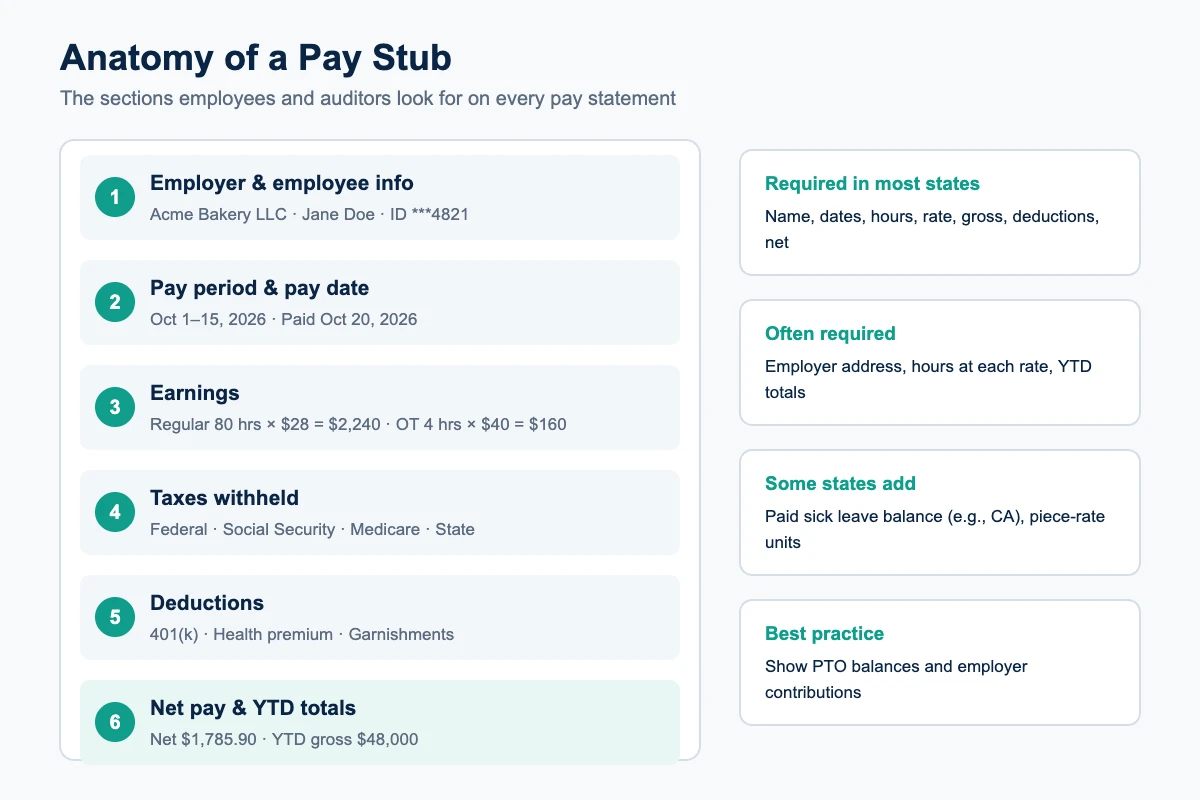
- Employer and employee information: your legal business name and address, the employee’s name, and an employee ID or the last four digits of their Social Security number (never the full SSN).
- Pay period and pay date: the start and end dates of the period worked and the date wages were paid.
- Earnings: hours worked, pay rate(s), overtime, bonuses, commissions and tips, adding up to gross pay.
- Taxes withheld: federal income tax, Social Security, Medicare, and any state or local income taxes.
- Deductions: pre-tax and post-tax deductions such as retirement contributions, health insurance premiums and wage garnishments.
- Net pay and year-to-date (YTD) totals: the take-home amount for the period, plus running totals for the year.
Many employers also show paid time off (PTO) balances and employer-paid benefits. Even where it isn’t required, that transparency cuts down on HR questions.
Gross pay vs. net pay on a pay stub
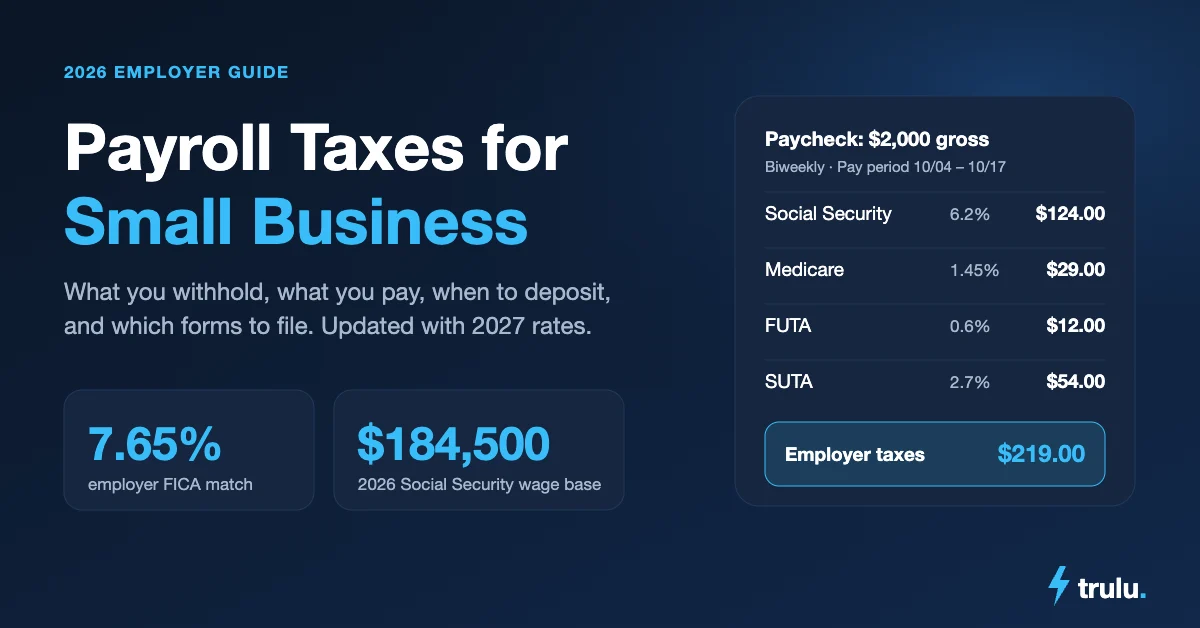
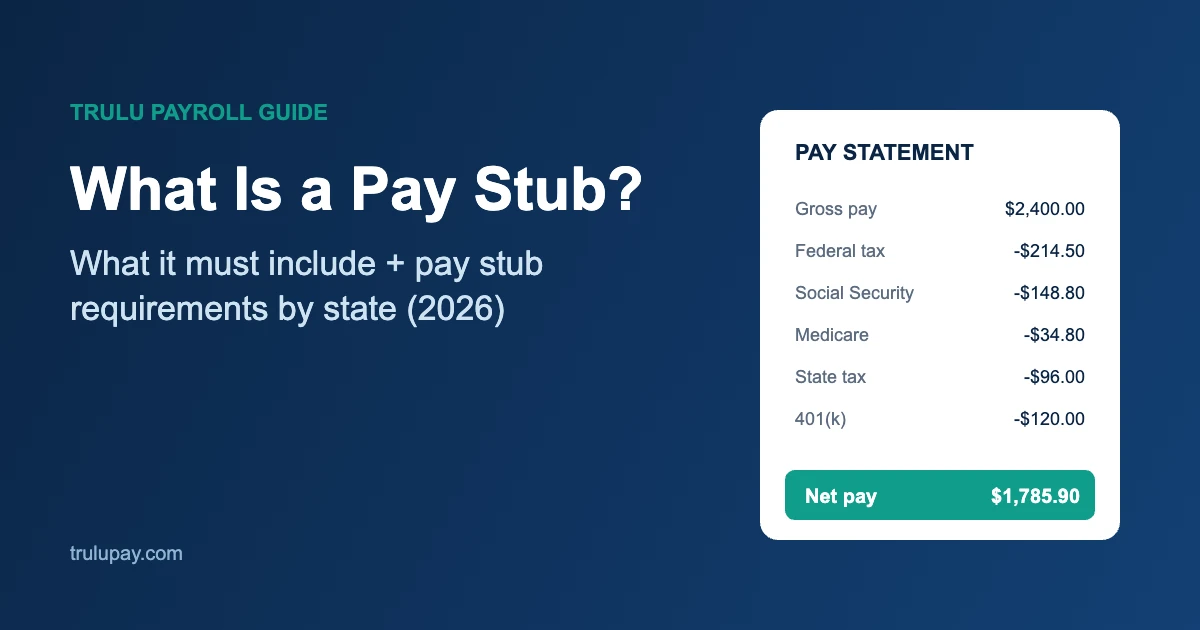
Gross pay is everything an employee earned before anything is taken out. Net pay is what lands in their bank account after taxes and deductions. In the example above, $2,400 in gross pay becomes $1,785.90 in net pay after $494.10 in taxes and a $120 401(k) contribution. For a deeper look at how each withholding is calculated, see our guide to payroll taxes for small business.
Common pay stub abbreviations
| Abbreviation | Meaning |
|---|---|
| FIT / FWT | Federal income tax withholding |
| SS / OASDI | Social Security tax |
| MED / MWT | Medicare tax |
| SIT / SWT | State income tax withholding |
| SDI | State disability insurance (in states that have it) |
| YTD | Year-to-date total |
| REG / OT | Regular hours / overtime hours |
| PTO | Paid time off balance or hours used |
Are employers required to provide pay stubs?
Under federal law, no. The Fair Labor Standards Act (FLSA) does not require employers to give employees pay stubs, but it does require you to keep accurate records of hours worked and wages paid. The exception is federally funded construction work under the Davis-Bacon Act, where contractors must give workers a statement of wages and deductions.
State law is where pay stub requirements live, and that is where most small businesses need to pay attention.
Pay stub requirements by state
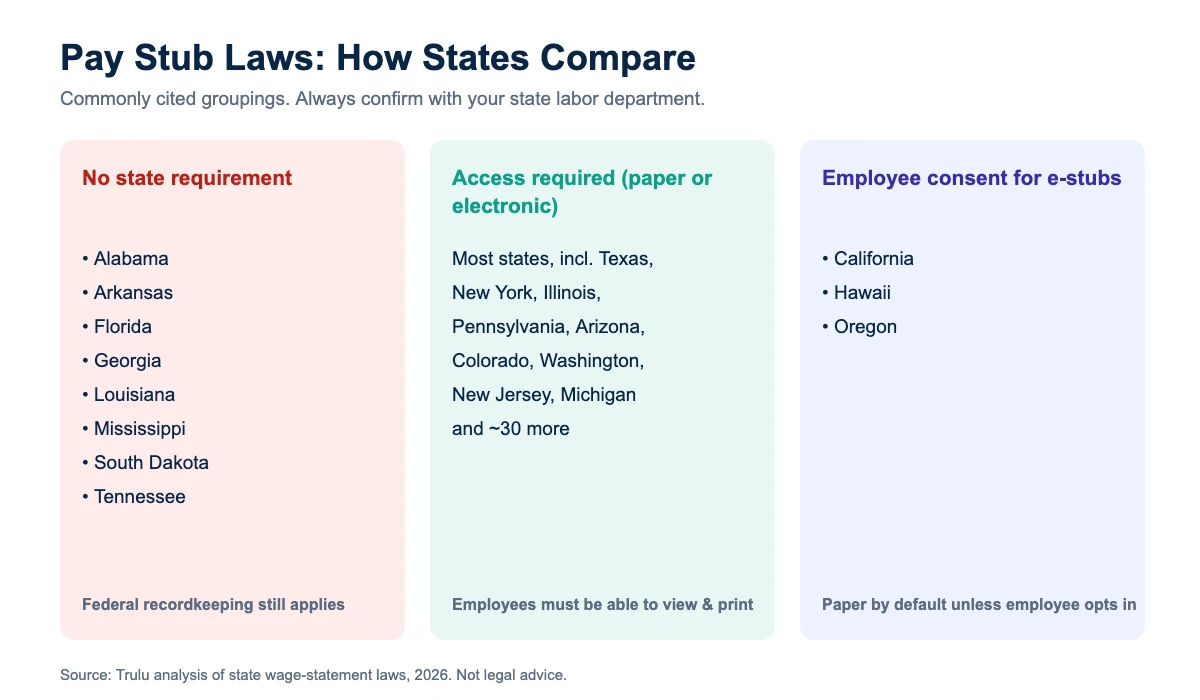
States generally fall into three groups. The lists below reflect commonly cited groupings as of 2026; laws change, so confirm the current rules with your state labor department before you set your policy.
States with no pay stub requirement
Alabama, Arkansas, Florida, Georgia, Louisiana, Mississippi, South Dakota and Tennessee do not have a general state law requiring pay stubs. Employers there still have to meet federal recordkeeping rules, and providing stubs remains the best practice.
“Access” states (paper or electronic)
Most states, including Texas, New York, Illinois, Pennsylvania, Arizona, Colorado, Washington, New Jersey and Michigan, require employers to give employees a wage statement or access to one each payday. Electronic pay stubs are generally allowed as long as employees can view and print them privately. Several states in this group also specify which items the stub must show.
States that require consent for electronic pay stubs
California, Hawaii and Oregon require paper stubs by default and let you switch to electronic delivery only with the employee’s consent. California is the strictest. Its Labor Code Section 226 lists required items including total hours worked, every hourly rate in effect and the hours worked at each, the employer’s legal name and address, and the employee’s available paid sick leave.
If you have remote employees in more than one state, follow the rules of the state where each employee works, not where your business is based.
How long should you keep pay stub records?
Under the FLSA, keep payroll records for at least three years and the timecards and wage-rate tables behind them for at least two years. The IRS recommends keeping employment tax records for at least four years. Some states require longer, so many employers simply keep payroll records for four years or more.
How to create pay stubs for your employees
Small businesses usually choose one of three ways to produce pay stubs:
- Spreadsheets or templates: free, but every calculation is manual, errors are easy to miss and you have to keep up with tax rate changes yourself.
- Online pay stub generators: quick for one-off stubs, but they don’t file taxes, track YTD totals across pay runs or keep records for you.
- Payroll software: calculates pay, withholds and files taxes, and produces a compliant stub automatically every time you run payroll. Employees get self-service access, and your records are stored for you.
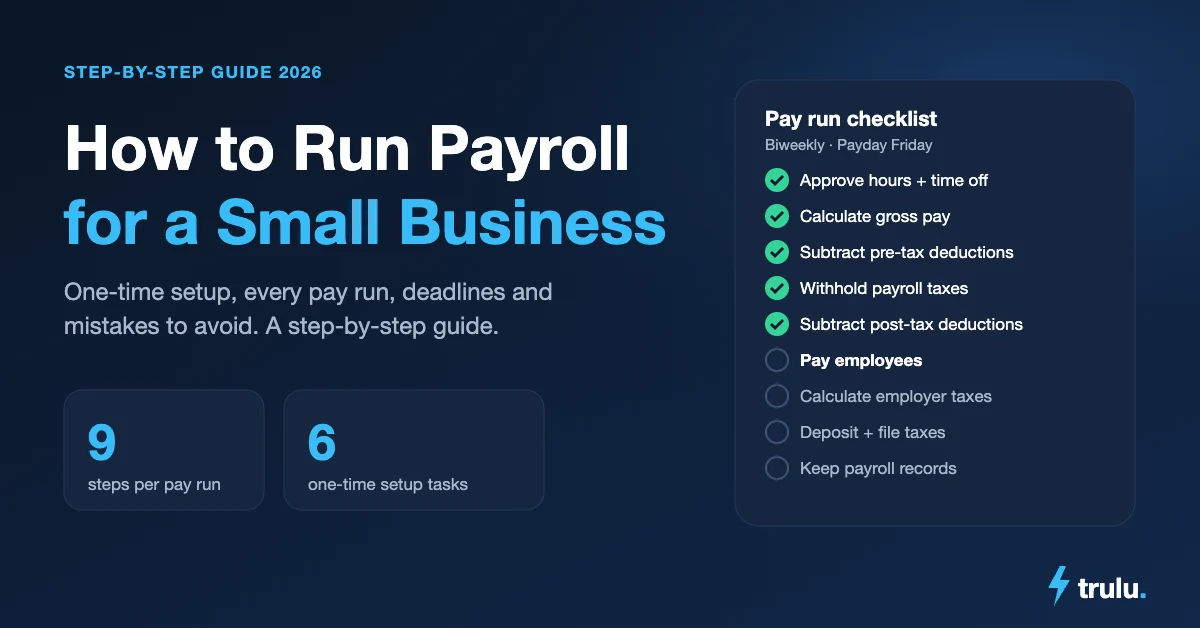
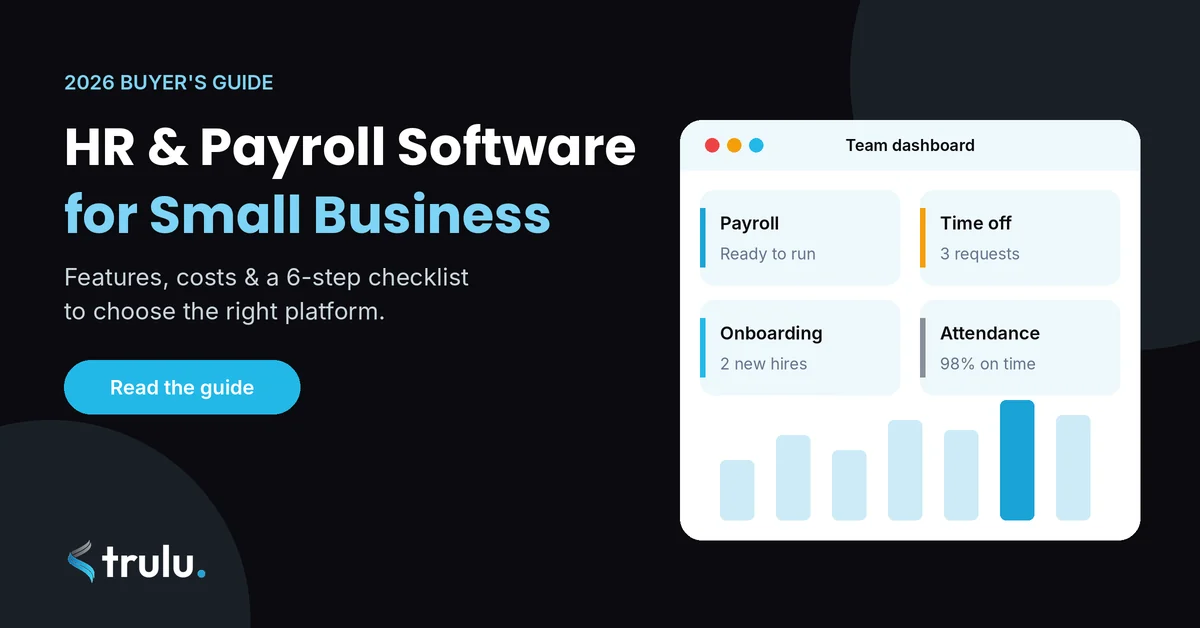
If you’re setting up payroll for the first time, our step-by-step guide to how to run payroll for a small business walks through the full process, and our HR and payroll software buyer’s guide covers what to look for in a platform.
Common pay stub mistakes to avoid
- Printing the full Social Security number. Use the last four digits or an employee ID.
- Leaving off overtime detail. Show overtime hours and the overtime rate separately from regular hours.
- Missing YTD totals. Employees and lenders rely on them, and some states require them.
- Switching to e-stubs without consent in states that require it.
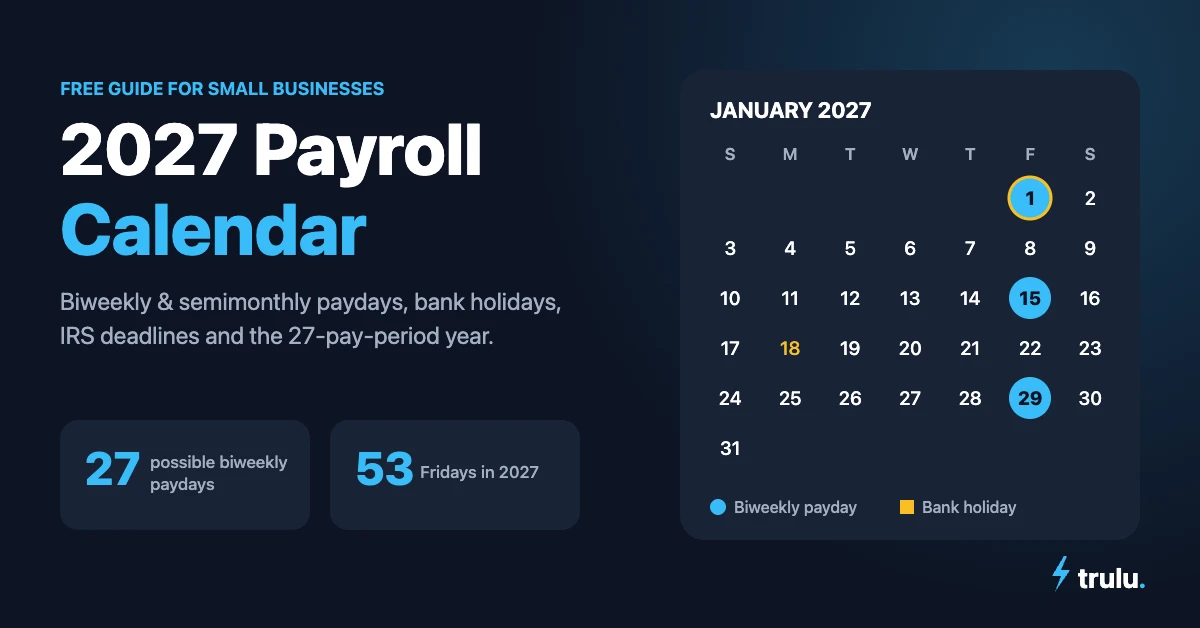
- Not updating tax rates at the start of the year. Use our 2027 payroll calendar to plan pay dates and deadlines.
Pay stub FAQs
Is a pay stub the same as a W-2?
No. A pay stub covers a single pay period. A Form W-2 is an annual summary of an employee’s wages and taxes that employers file with the government and give to employees after the year ends.
Can an employee request past pay stubs?
In many states, yes. Employees may have the right to request copies of their pay records, and employers must provide them within a set timeframe. Keeping digital records makes these requests easy to fulfill.
Do independent contractors get pay stubs?
Contractors aren’t employees, so pay stub laws generally don’t apply to them. They receive an invoice record and, if paid $600 or more in a year, a Form 1099-NEC.
Are electronic pay stubs legal?
Yes, in most states, as long as employees can access and print them privately. California, Hawaii and Oregon require employee consent before you replace paper stubs with electronic ones.
What should I do if a pay stub is wrong?
Correct the error in the next pay run or issue a corrected payment, document the change, and give the employee an updated statement. Fix underpayments right away, since late wages can trigger state penalties.
Give employees clear, compliant pay stubs automatically
Accurate pay stubs build trust with your team and protect your business. Trulu calculates pay, handles tax withholding and generates compliant pay stubs every payday, with self-service access for employees. Book a demo of Trulu to see how it works.
This article is for general information only and is not legal or tax advice. Pay stub laws vary by state and change over time, so confirm requirements with your state labor department or an employment attorney.